History of Bonsai in Japan
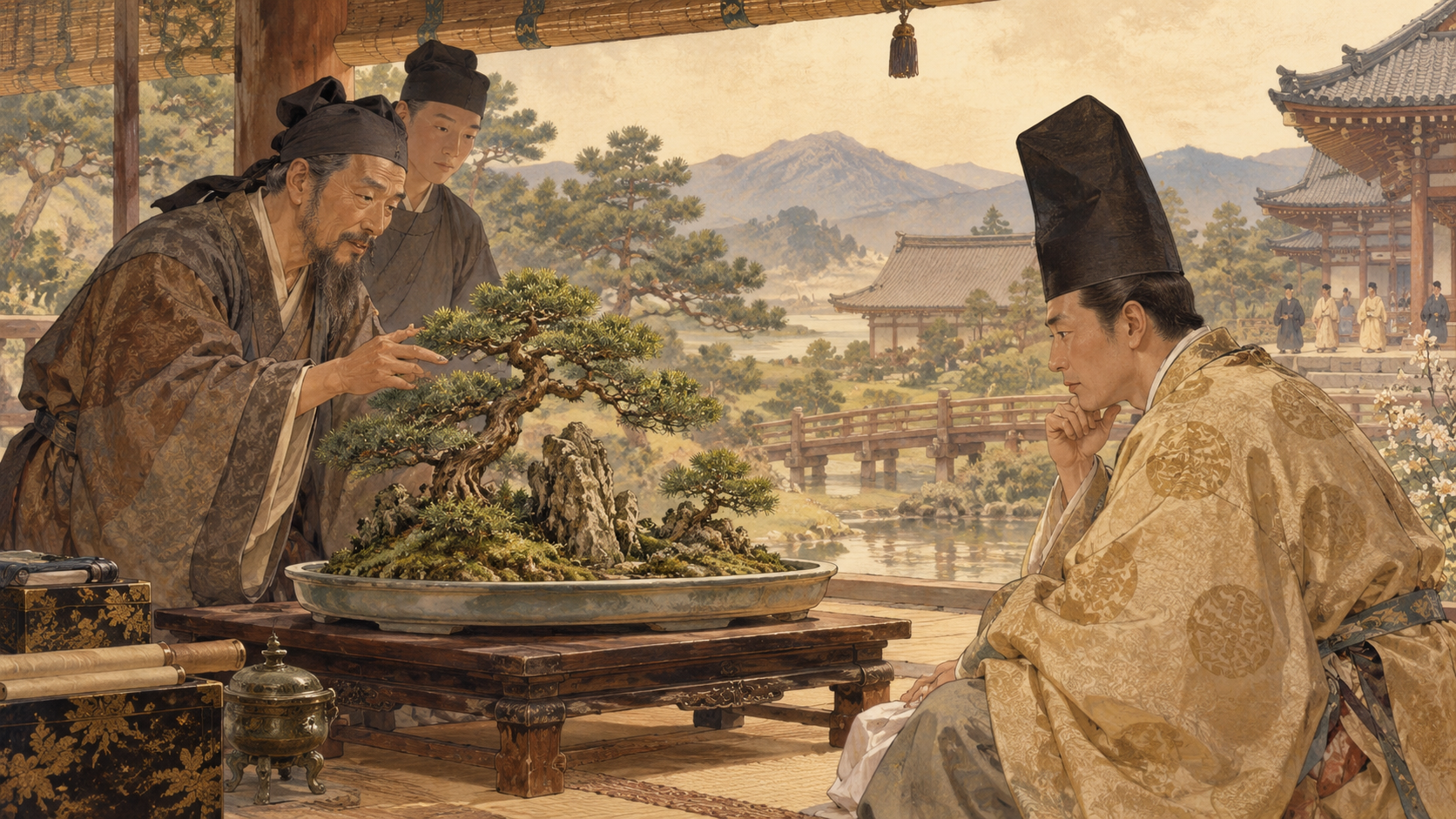
The Roots from China
The roots of Bonsai in Japan trace back to the 12th to 13th centuries, when Chinese penjing inspired early Japanese tray plantings. In temple and aristocratic circles, these miniature landscapes were valued less as ornaments and more as contemplative objects. They offered a distilled view of nature and a quiet sense of time It was the beginning of a deeply Japanese approach to scale, balance and serenity.
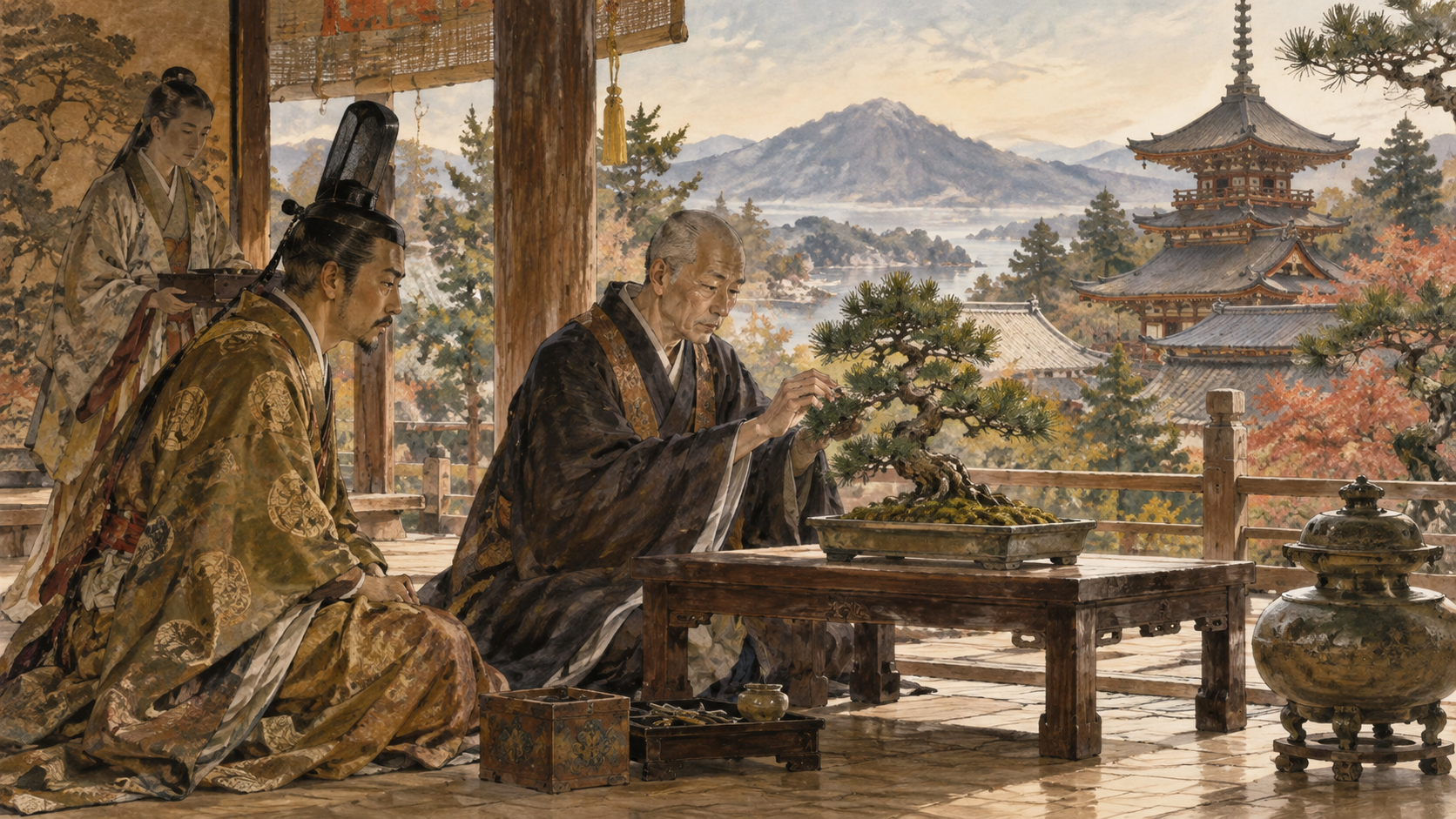
Medieval Japan: Bonsai takes Root
As Japan moved through the 13th to 15th centuries, miniature tray plantings began to reflect Japanese aesthetics more restraint, more suggestion than display. Within Zen-influenced circles, simplicity and negative space mattered. The small trees became a quiet study of asymmetry and patience. Less about spectacle, more about inner stillness.
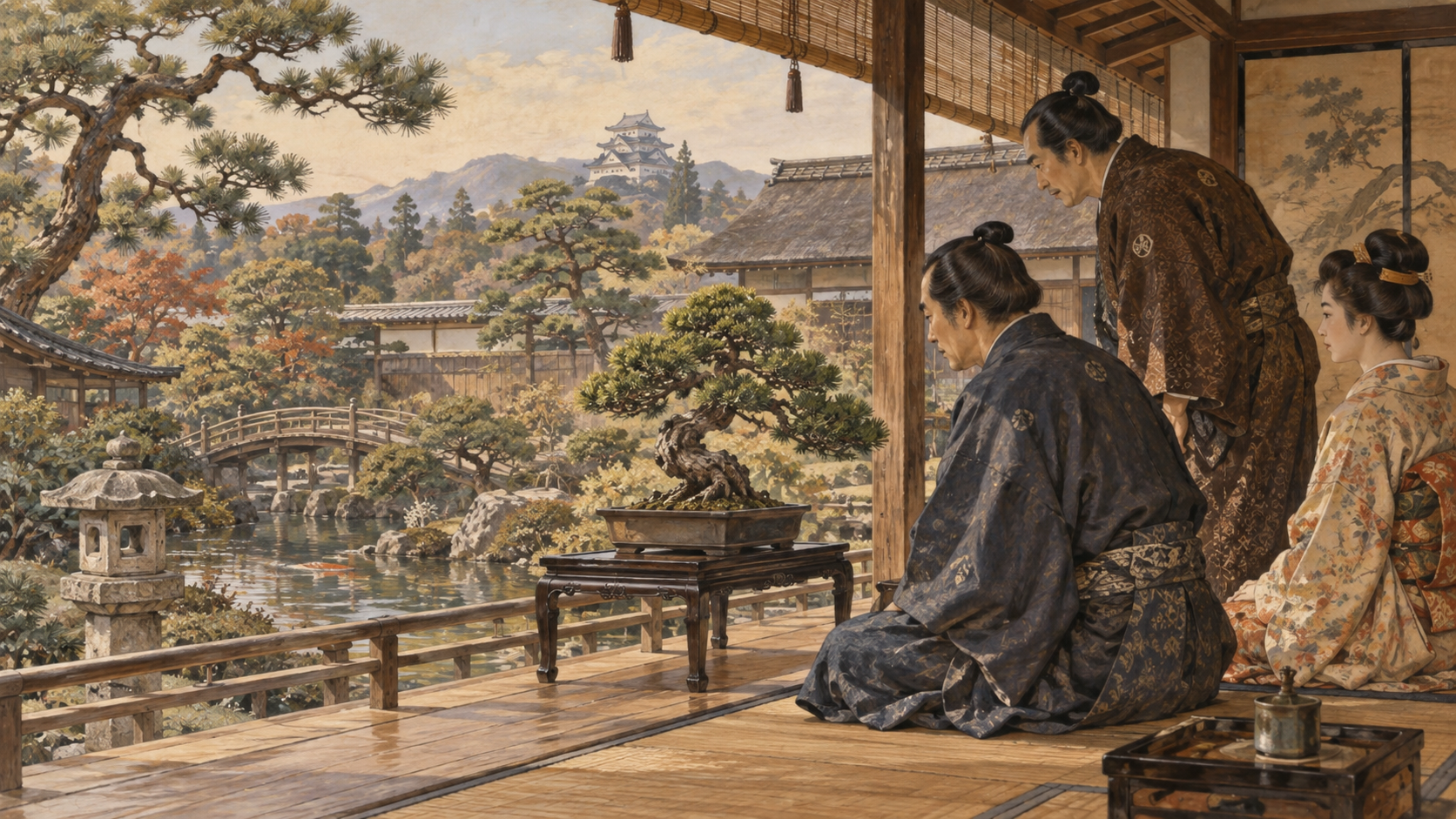
Edo Period - Refined Taste and Growing Practice
During the Edo period, peace and urban culture allowed bonsai to steadily evolve. What had been an elite or monastic pursuit moved into samurai and merchant circles. Garden aesthetics flourished and small trees in trays became a refined form of taste. Forms and styles were discussed and collected. Care and display became social arts. This period laid the cultural groundwork for bonsai as a living tradition
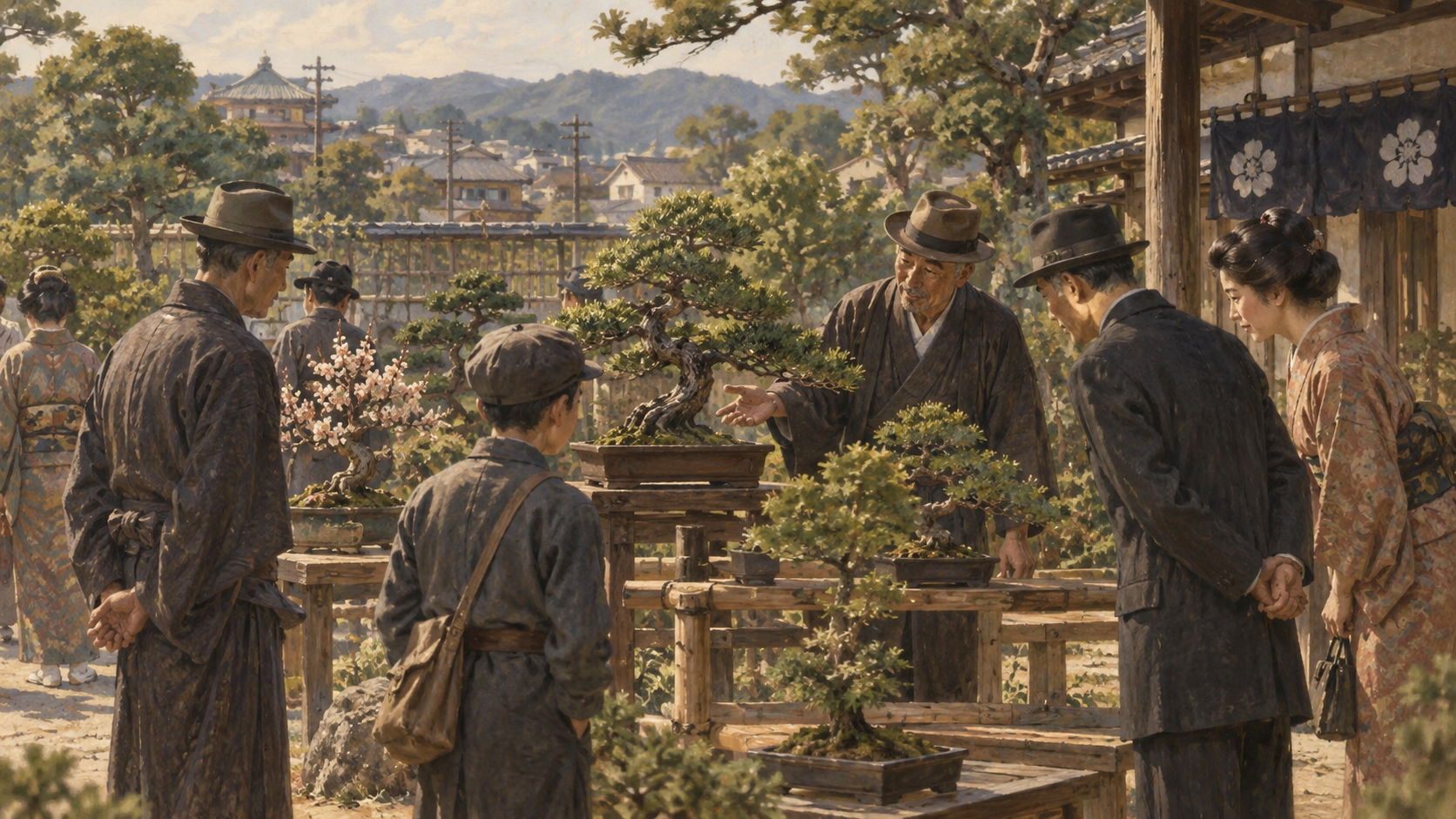
Meiji and the Modern Bonsai Tradition
In the late 19th and early 20th centuries, Japan's rapid modernization brought bonsai into new public view. Exhibitions and horticultural societies helped standardize the practices and printed manuals made techniques more widely accessible. As Japan engaged more with the world, bonsai was shown abroad sometimes as a cultural emblem. At the same time, the practice gradually entered middle-class homes, setting the stage for broader everyday appreciation.
Bonsai in Modern Japan - a Living Tradition
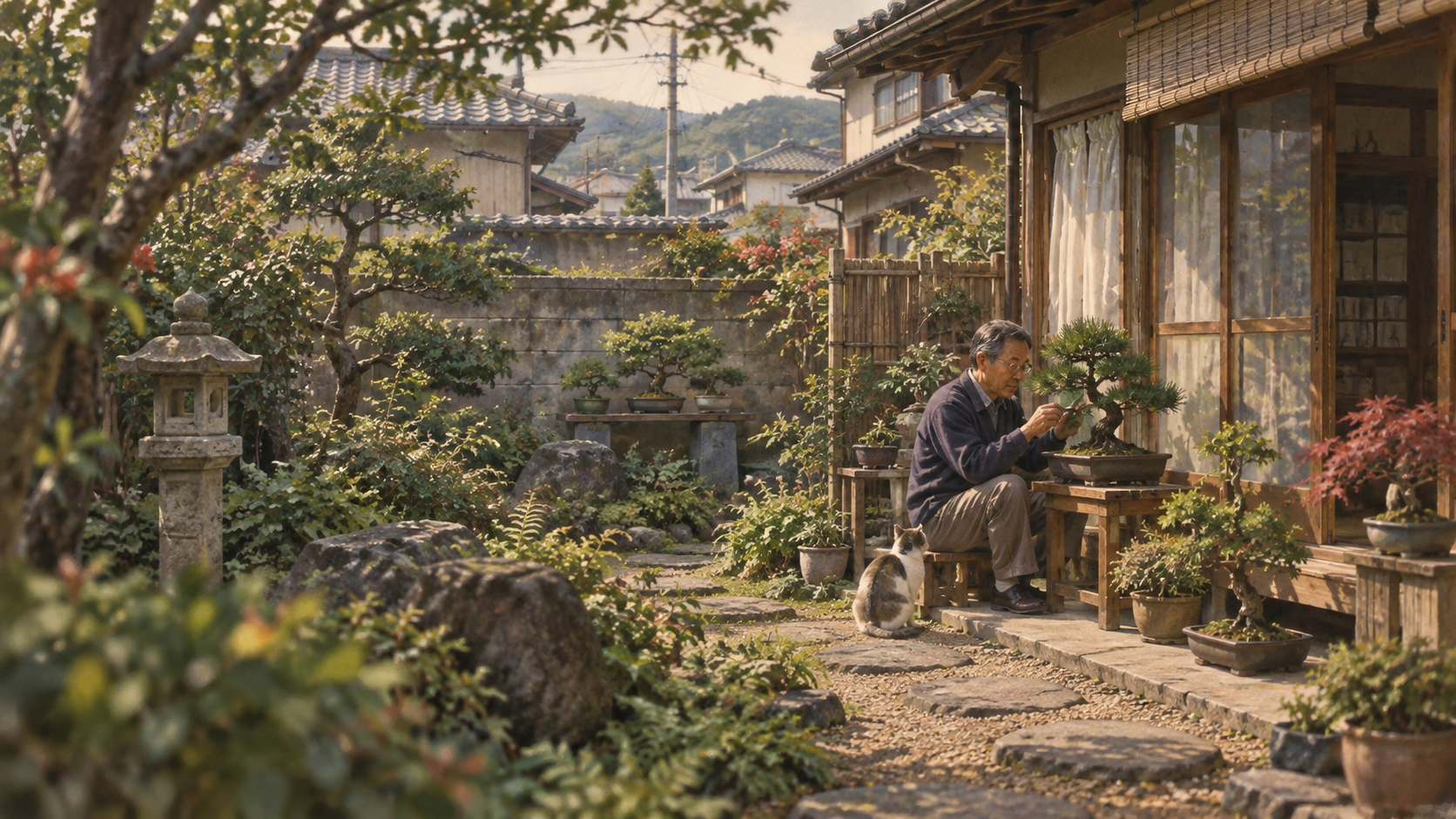
By the late 20th century, bonsai had settled into everyday life. You could find it in a small garden beside a modest home or on a balcony in a provincial town, tended after work in quiet moments. Techniques and tools became more accessible but the heart of the practice remained personal. By around 1990, bonsai was both an art with formal lineages, And a simple companionship. Caring for a tree over time.